Georgia Hi-Lo Trail recently announced that it received funding from the Georgia Health Policy Center through the Georgia State Physical Activity and Nutrition (G-SPAN) initiative. G-SPAN is supported by the Centers for Disease Control and Prevention’s State Physical Activity and Nutrition Program (SPAN).
G-SPAN aims to provide safe and accessible physical activity opportunities, make healthy food choices easier, improve nutrition and physical activity in early care and education settings, and support breastfeeding. In support of this effort, G-SPAN has provided funds to Georgia-based organizations to implement new or existing policy, systems, and environmental change across the initiative’s four priority issues.
Georgia Hi-Lo Trail is one of 38 community-based organizations funded by CDC’s State Physical Activity and Nutrition Program (SPAN). Together, G-SPAN’s network of 100+ partners are supporting comprehensive obesity prevention efforts across the state, including work to design communities in ways that increase access to physical activity.
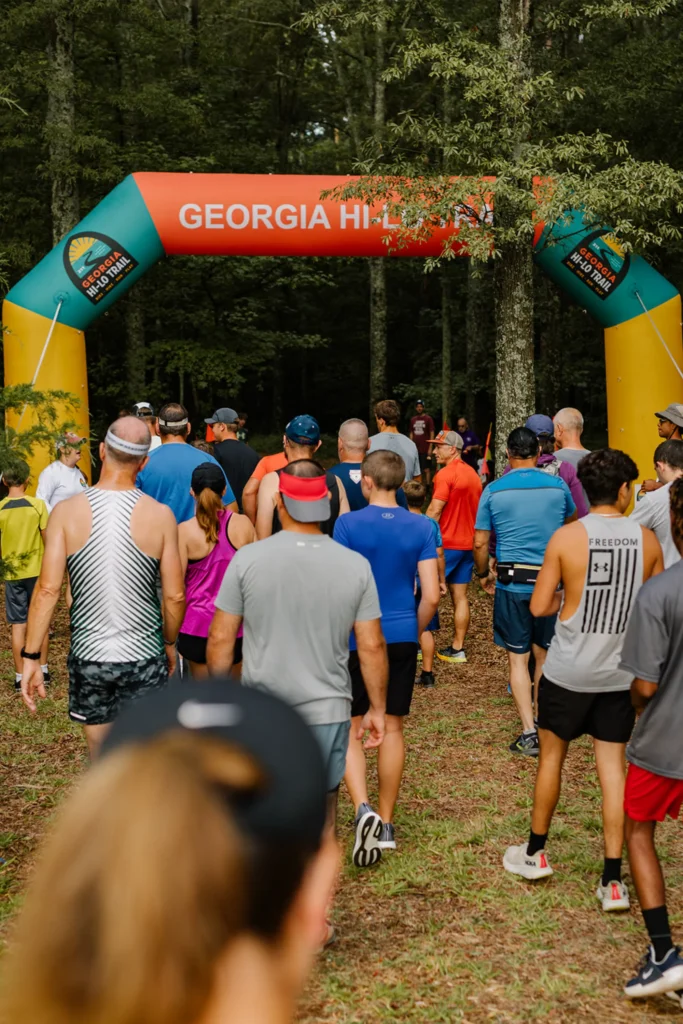
The funding received will support the Georgia Hi-Lo Trail, a project that serves rural communities by creating a 211-mile path from Union Point to Tybee Island. What will become America’s longest trail will provide alternative transportation options to connect rural communities across Greene, Hancock, Washington, Johnson, Emanuel, Bulloch, Effingham, and Chatham County. This project is a direct response to the lack of available infrastructure for pedestrians and cyclists.
“It is such an honor to be recognized by G-SPAN,” said Georgia Hi-Lo Executive Director and Founder Mary Charles Howard. “We have been at work on this project for years now, and to know other organizations can see our vision and want to support this project inspires us to work even harder. The momentum going into next year is exhilarating, and I am so excited about what lies ahead for our communities in 2026.”